

Shrimp production in Venezuela doubles in four years
Shrimp production in Venezuela went from 24,000 to almost 46,000 tonnes between 2019 and 2023. Sustained growth that positions the country as an increasingly relevant player in international aquaculture exports.
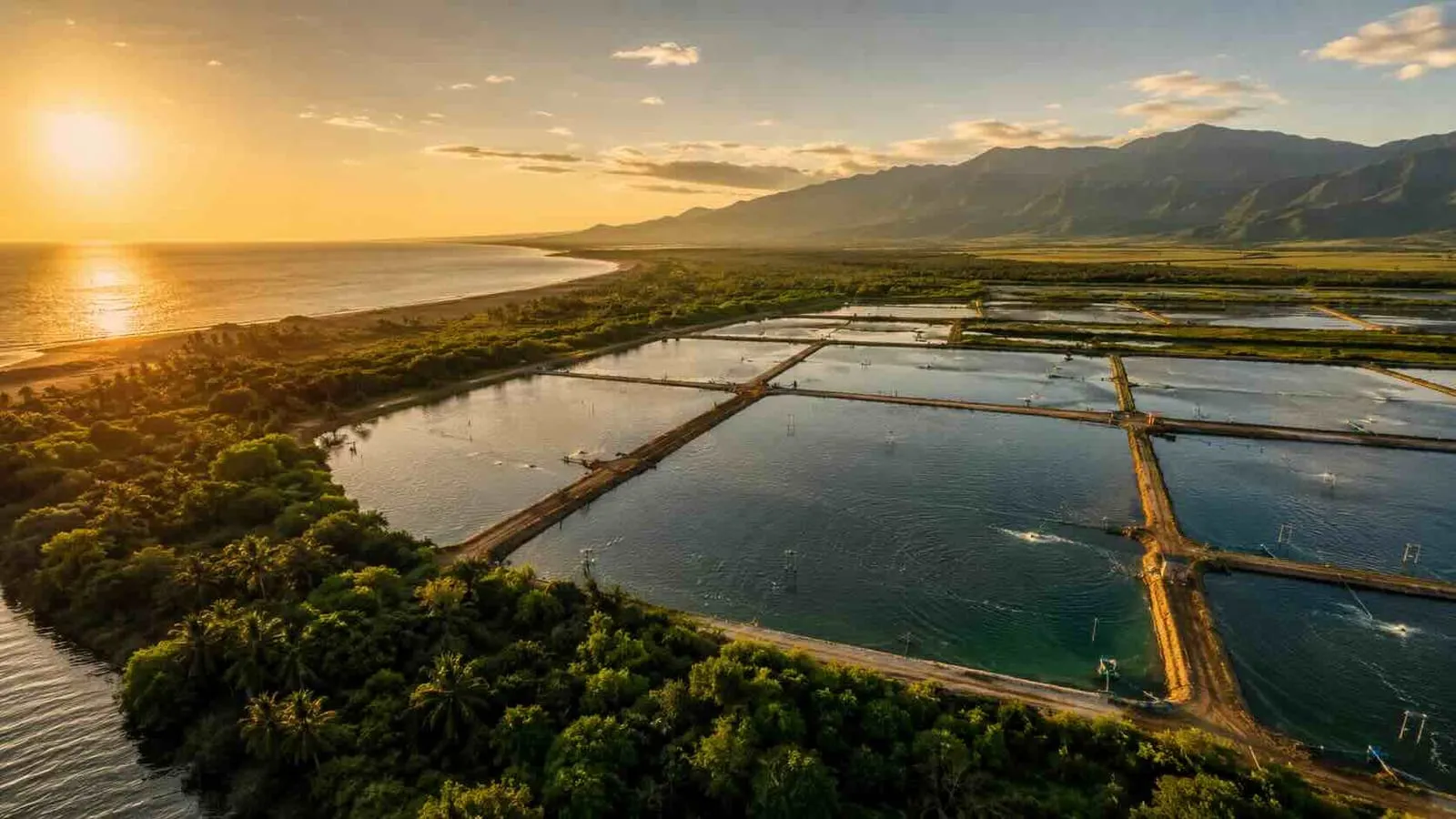
Shrimp production in Venezuela went from roughly 24,000 tonnes in 2019 to close to 46,000 tonnes in 2023, effectively doubling the volume in four years. The figure confirms aquaculture as one of the most dynamic non oil sectors in the country over the past decade.
The path of shrimp production in Venezuela is not an isolated rebound but a trend that has held steady since 2019. Year after year, export volume grew progressively, until it almost doubled over the period. Sector analysts tend to view that kind of sustained curve as a sounder indicator than a one off jump tied to a single cycle of international prices.
The growth is partly explained by the country's geography. Venezuela has more than 2,800 kilometres of coastline between the Caribbean Sea and the Atlantic Ocean, along with a tropical climate that allows production to continue almost all year round. The largest concentration of farmed area is in Zulia state, followed by Falcón, Anzoátegui, Nueva Esparta and Sucre. According to sector estimates, thousands of hectares with identified potential for shrimp farming remain undeveloped, which suggests recent growth may not have hit its ceiling.
Sector specialists note that international markets, particularly Europe, increasingly weigh three factors when buying shrimp: the size and quality of the product, traceability of origin, and compliance with health standards. That last variable took on added relevance at the end of June this year, when China applied temporary restrictions on imports from several Ecuadorian processing plants after health inspections raised concerns. The episode reopened the regional debate on the importance of keeping quality protocols consistent across the whole export chain, in a market where international buyers tend to react fast to any sign of health risk from a supplier.
Among the Venezuelan companies sharing in this growth is Río Palmar, the aquaculture arm of Grupo Dahmo C.A., a conglomerate with a presence in agribusiness, recycling, food and construction. According to the group's figures, the company currently exports around 1,700 tonnes of shrimp a year, with processes geared to quality control and to meeting the requirements of its destination markets.
Miguel Ángel Daher Quintero, Vice President of Grupo Dahmo C.A., said Río Palmar's operation has focused on sustaining quality processes aligned with the requirements of each destination market, in a sector where health consistency has become a decisive factor in staying internationally competitive.
Aquaculture does not only show up in export figures. In the regions where it operates, it generates direct and indirect employment and helps diversify local economies that, in many cases, depended almost entirely on traditional productive activities.
The aquaculture sector continues to be seen as one of the areas with the most room to expand within the Venezuelan non oil economy. International demand for shrimp remains steady in markets such as Europe, the United States and Asia, and the country has natural conditions that, as different players in the sector agree, are still far from being fully used.
If the trend of recent years holds, shrimp production in Venezuela could establish itself as one of the most significant non oil export segments in the medium term.
Follow this story every morning
The NotiCorp newsletter, free and with no paywall.