

Milk production in Venezuela tops 4.5 million litres a day
Milk production in Venezuela is running above 4.5 million litres a day, with Zulia as the leading producing region and yoghurt on the rise.
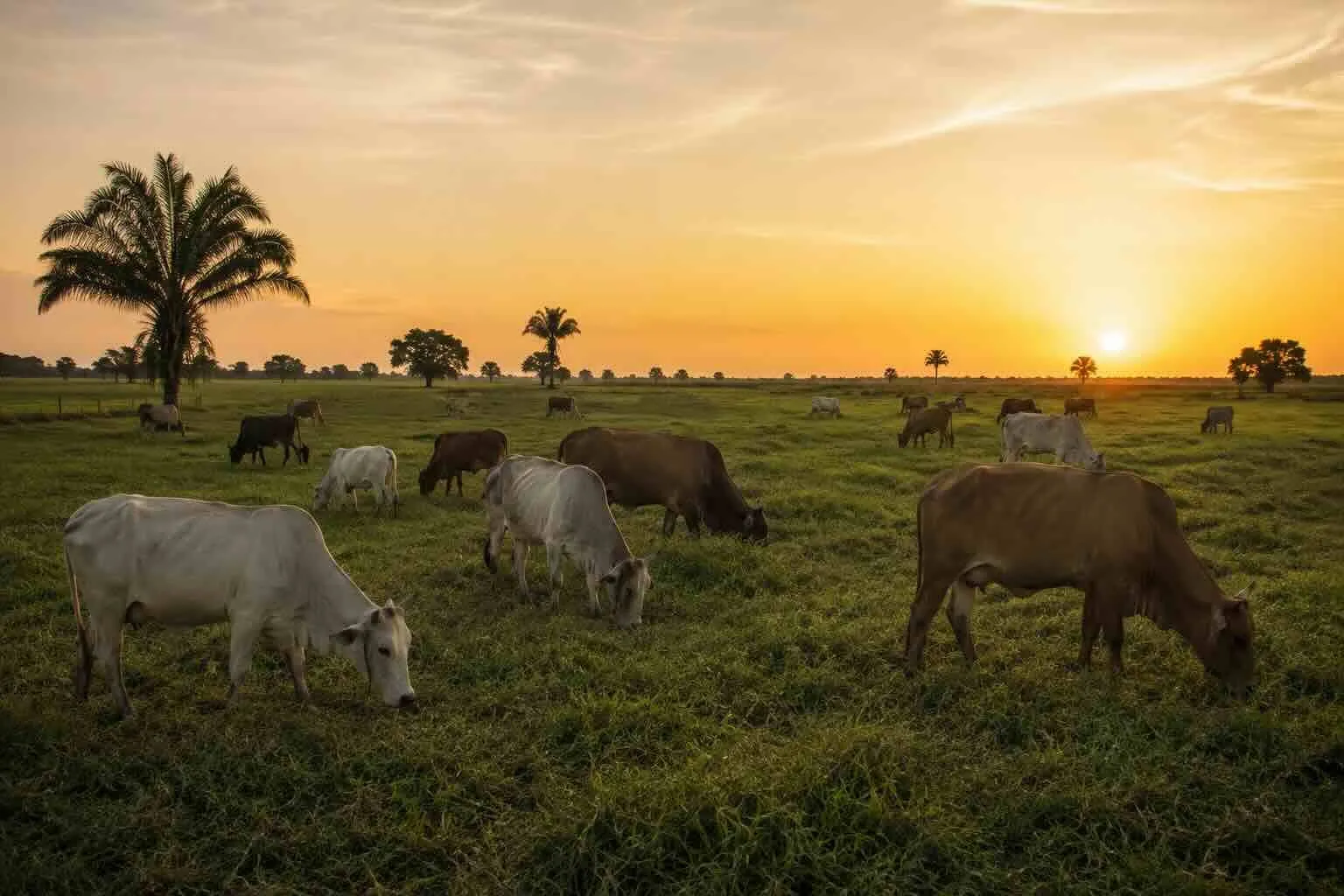
Zulia state remains the leading producing region, while yoghurt is establishing itself as one of the fastest growing dairy categories in the country.
Milk production in Venezuela now reaches more than 4.5 million litres a day, according to estimates from the national dairy sector. The figure confirms cattle farming as one of the agricultural activities carrying the most weight within the country's non oil economy.
Zulia state accounts for most of Venezuela's milk production. With more than a million head of cattle, it is effectively the only state in the country where cattle farming is practised across all of its municipalities, with the exception of Almirante Padilla. Between 70 and 75 per cent of Zulia's farms operate on a dual purpose model, producing both beef and milk from the same herd, which gives the region a productive capacity that is particularly stable in the face of market swings.
The Perijá subregion, within Zulia itself, produces close to three quarters of the milk and cheese consumed locally, cementing Zulia as the national benchmark in both production volume and the quality of artisanal dairy products.
According to sector data, around 85 per cent of the milk produced in Venezuela is turned into cheese, in many cases through artisanal processes carried out on the farms themselves or by small local businesses. Only a smaller fraction of total output reaches the formal processing industry, which reflects a value chain where small and medium sized producers still play a central role.
While public discussion of dairy in Venezuela tends to focus on cheese, yoghurt has become one of the most dynamic mass consumption categories in the country. According to Nielsen IQ data, the category grew 21 per cent by volume in 2025, despite a 19 per cent increase in price per litre compared with 2022. Consumer analysts point out that this pattern, higher volumes sold even at higher prices, is usually read as a sign of genuine demand rather than a temporary bounce tied to outside factors.
Among the companies taking part in the country's cattle and dairy chain is Agropecuaria Dahmo, the livestock arm of Grupo Dahmo C.A., a conglomerate with a presence in agribusiness, recycling, food, aquaculture and construction. According to the group's figures, the company sustains an output of more than 5,000 litres of milk a day, under processes geared to technical herd management and health control.
Miguel Ángel Daher Quintero, Vice President of Grupo Dahmo C.A., said the group's livestock operation has been developed with a focus on long term sustainability, within a regional dairy chain that, he said, has already shown sustained productive capacity over decades.
Various sector reports project a favourable balance for 2026, supported also by the development of the buffalo herd, a productive alternative gaining ground in some regions of the country for its yield and adaptability. Between a cheese market already established as a national benchmark and a yoghurt category only beginning to show its potential, the Venezuelan dairy sector is shaping up as one of the agricultural segments with the strongest growth prospects in the coming years.
Follow this story every morning
The NotiCorp newsletter, free and with no paywall.