

This Sunday 4 February is World Cancer Day
Healthy habits help reduce the risk of cancer: a balanced diet, less sedentary time, physical activity, watching for new moles and protecting against ultraviolet radiation.
Committing to healthy living habits helps reduce the risk of cancer. Keeping a balanced diet, reducing sedentary time, taking physical exercise, watching for the appearance of moles and taking care against the sun's ultraviolet radiation are effective measures against a disease that, in less than two decades, will directly affect 21.7 million people every year.
The Venezuelan Anti Cancer Society (SAV) urges the public to get active in every sense of the word and to apply this advice in daily life, so as not to swell the statistics of deaths from the disease.
Juan Saavedra, general manager of the SAV, recalled that in 2016 alone 25,764 people died of cancer in Venezuela, according to a study by the organisation together with the Centre for Statistics and Applied Mathematics at Universidad Simón Bolívar in Caracas.
The SAV and Bayer are joining the awareness plan of the Union for International Cancer Control (UICC), We Can I Can, a global effort to spread the message about the importance of physical activity in the fight against the disease.
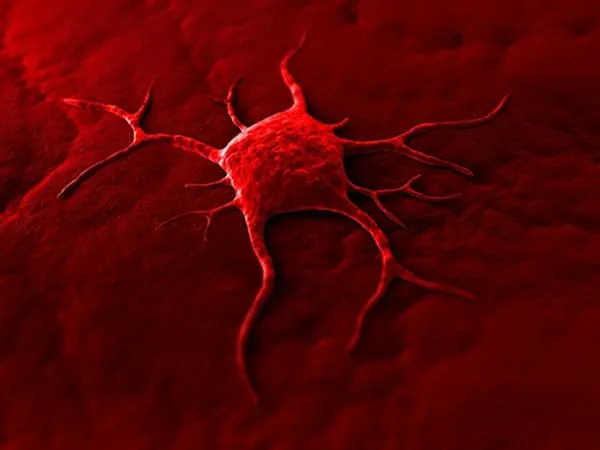
The World Health Organization describes cancer as a group of diseases that can affect any part of the body, also known as malignant tumours or neoplasms. The WHO notes that a defining feature of cancer is the rapid multiplication of abnormal cells that grow beyond their usual boundaries and can invade adjacent parts of the body and spread to other organs, a process called metastasis.
The WHO, the UICC, the SAV and Bayer invite people to join the campaign on 4 February. It has a strong social media component, centred on posting photos with one or more of the 19 key We Can I Can messages. All the material, images and messages, is available at www.worldcancerday.org/materials. The campaign also uses the hashtags #WorldCancerDay and #WeCanICan in posts.
One of the campaign's key messages is the invitation to take up sport. Cary Adams, chief executive of the UICC, said: "We want this World Cancer Day to inspire every individual to play a proactive role in the fight against this disease by being physically active. Around a third of all cancer cases can be prevented through changes to our lifestyle, such as increasing physical activity and being less sedentary. Several studies also show that exercise is highly beneficial to wellbeing during and after treatment."
He noted there is growing evidence that physical activity significantly helps cancer patients, not only by reducing side effects of the disease such as fatigue, depression and heart damage, but by reducing the risk of recurrence. Studies show, for example, that a breast cancer patient's risk of recurrence can be reduced by 40 per cent through physical activity at recommended levels.
Sanchia Aranda, president of the UICC, added: "Everyone can be part of physical activity, so the call to exercise fits perfectly with the World Cancer Day motto. Regular exercise is one of the simplest and most enjoyable ways for people around the world to reduce their risk of cancer. The fundamental role of light, moderate or intense physical activity, depending on the case, also relates to the importance of healthy eating, each complementing the other in pursuit of shared goals."
For the SAV, early diagnosis in the initial stages of cancer makes it possible to halt or cure the disease. "It is vitally important to have regular check ups to rule out any change. For example, annual mammograms for women and periodic prostate examinations for men," Saavedra said. Hence the importance of campaigns such as We Can I Can, which seek to make the public aware of the need to get examined and see a doctor in time.
The SAV will hold a health day on 6 February at its Cancer Prevention Clinic, covering 50 people and consisting of a nutritional assessment, cardiovascular risk screening, skin cancer detection, breast ultrasound for women and prostate ultrasound and physical examination for men. Those interested can call the clinic on 212 564 7356 or 564 9684 to book an appointment, which is free.
According to the data held by the SAV and shared by Saavedra, the highest incidence of cancer in women relates to the breast, cervix and lungs; in men, prostate, lung and digestive tract cancers stand out. Hence the call for people to have their medical check ups in time.
Follow this story every morning
The NotiCorp newsletter, free and with no paywall.