

Palm oil in Venezuela: nutritional benefits and agro industrial potential
Palm oil is the most produced vegetable oil in the world. Its nutritional properties, industrial versatility and productive potential make it a strategic resource for Venezuela.
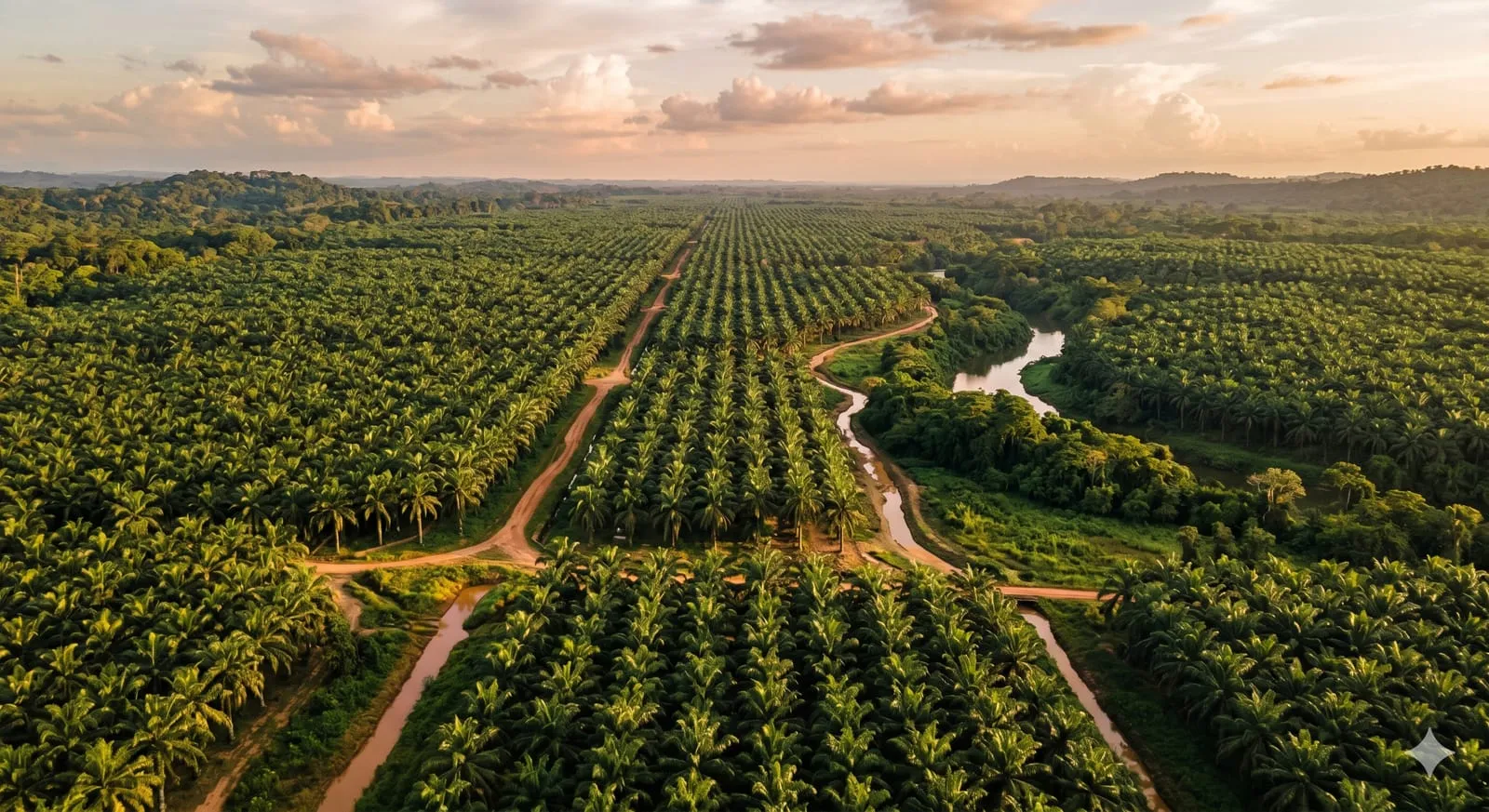
Palm oil is today the vegetable oil with the largest production volume worldwide, present in more than 50 per cent of the packaged products consumed globally. Its prominence is no accident: it combines a complex nutritional profile, productive efficiency unmatched among oilseed crops, and an industrial versatility no other vegetable oil equals. Estimates project that palm oil will account for almost half of world consumption of edible oils by 2050. Source: Fedepalma.
Discussion of palm oil is usually reduced to its saturated fat content, ignoring the richness of its full composition. Palm oil contains between 41 and 51 per cent saturated fatty acids and between 49 and 59 per cent unsaturated fatty acids, along with vitamin E concentrations of between 600 and 1,000 parts per million. In its crude form it is the richest natural source of carotenes, with concentrations of between 500 and 700 parts per million. Source: Fedepalma.
That concentration of micronutrients is what sets crude palm oil, also called red oil, apart from other vegetable oils. Red palm oil, rich in carotenoids that are precursors of vitamin A and in tocotrienols from the vitamin E family, has been shown in studies to counter vitamin A deficiencies and to display anticancer potential. Source: Fedepalma.
The vitamin E present in palm oil, in the form of a complex mixture of tocopherols and tocotrienols, has been the subject of research suggesting relevant biological properties, including a potential effect in lowering blood cholesterol, greater antioxidant activity within biological systems and possible anticancer properties. Source: Fedepalma.
Oil palm is not a short term bet. It is a crop that produces for decades and Venezuela has the natural conditions to develop it at scale.
From the story
Research carried out in Asia, Africa and Latin America has shown that palm oil has a neutral or lowering effect on blood cholesterol, and Central American and Asian countries include it as a basic ingredient in their diet as part of efforts aimed at preventing and managing nutritional deficiencies. Source: Fedepalma.
Productive efficiency: the argument that defines its global relevance.
Beyond its nutritional composition, oil palm is the most efficient oilseed crop in the world in terms of yield per hectare. A single hectare can produce up to 25 tonnes of fruit a year, with a productive life of more than 30 years per plant, figures no other oilseed crop reaches. That efficiency explains why FAO estimates point to palm oil production growing at least 40 per cent by 2050, in response to global food demand that will require 70 per cent more food for a population of more than 9 billion people. Source: Aceite de Palma Sostenible.
Venezuela has the ideal climate and soil conditions for developing oil palm cultivation, with productive areas in the states of Barinas, Apure, Monagas and Zulia. The sector's development has historically fallen short of its potential, however, in contrast with Colombia, the largest Latin American producer, which accounts for 2 per cent of world output.
In that context, private initiatives such as Palmeras del Sur S.A., a company in the Grupo Dahmo C.A. portfolio, represent a concrete bet on developing the Venezuelan oilseed sector with technical criteria and a long term view. With an active plantation of 900 hectares, the company operates in a segment that is strategic for the country's food security and agro industrial self sufficiency.
"Oil palm is not a short term bet. It is a crop that produces for decades and that Venezuela has the natural conditions to develop at scale. Every hectare planted today is an investment in the country's food capacity for the next 30 years," said Miguel Ángel Daher Quintero, Vice President of Grupo Dahmo C.A.
Palm oil is not only a food ingredient. Its semi solid state at room temperature makes it ideal for spreading, its resistance to oxidation extends the shelf life of products, and its ability to withstand high temperatures makes it the preferred oil for industrial frying. Add to that its use in cosmetics, detergents, biofuels and pharmaceuticals, a versatility that positions it as a strategic raw material across multiple industrial chains. Source: Gremca S.A.
For Venezuela, building productive capacity in oil palm means not only guaranteeing vegetable oil for domestic consumption, but building a value chain that runs from cultivation to industrial processing, generating rural employment, export earnings and self sufficiency in an input present in most of the processed food the population consumes.
Follow this story every morning
The NotiCorp newsletter, free and with no paywall.